Beyond the Diagnosis
Why Mental Health Care is for Everyone

If you’ve been following my writings for a while, you’ve probably gathered that I spend my days working in the behavioral health field. And honestly? It never ceases to amaze me how many people I run into, particularly the smart, successful, “together” people, who genuinely think they are somehow above having mental health struggles. Since we just kicked off May, which is Mental Health Awareness Month, let’s take a minute and break down some of these misconceptions, shall we?
It is so easy to fall into that trap where we think mental health is something only those “other” people have to deal with. You know how it goes, as if it’s a topic reserved for someone with a specific, heavy diagnosis or someone who is currently in the middle of a total tailspin. We tend to treat mental health care like a fire extinguisher; we keep it tucked away in a glass box and ignore it until we actually see smoke, then we are in a sheer panic desperately trying to remember how to work said fire extinguisher. But the truth is, mental health isn’t this black-and-white concept where you are either “broken” or “fixed.” It’s a living, breathing part of being a human being. It’s time we started treating it that way, instead of waiting for an emergency to check in on ourselves.
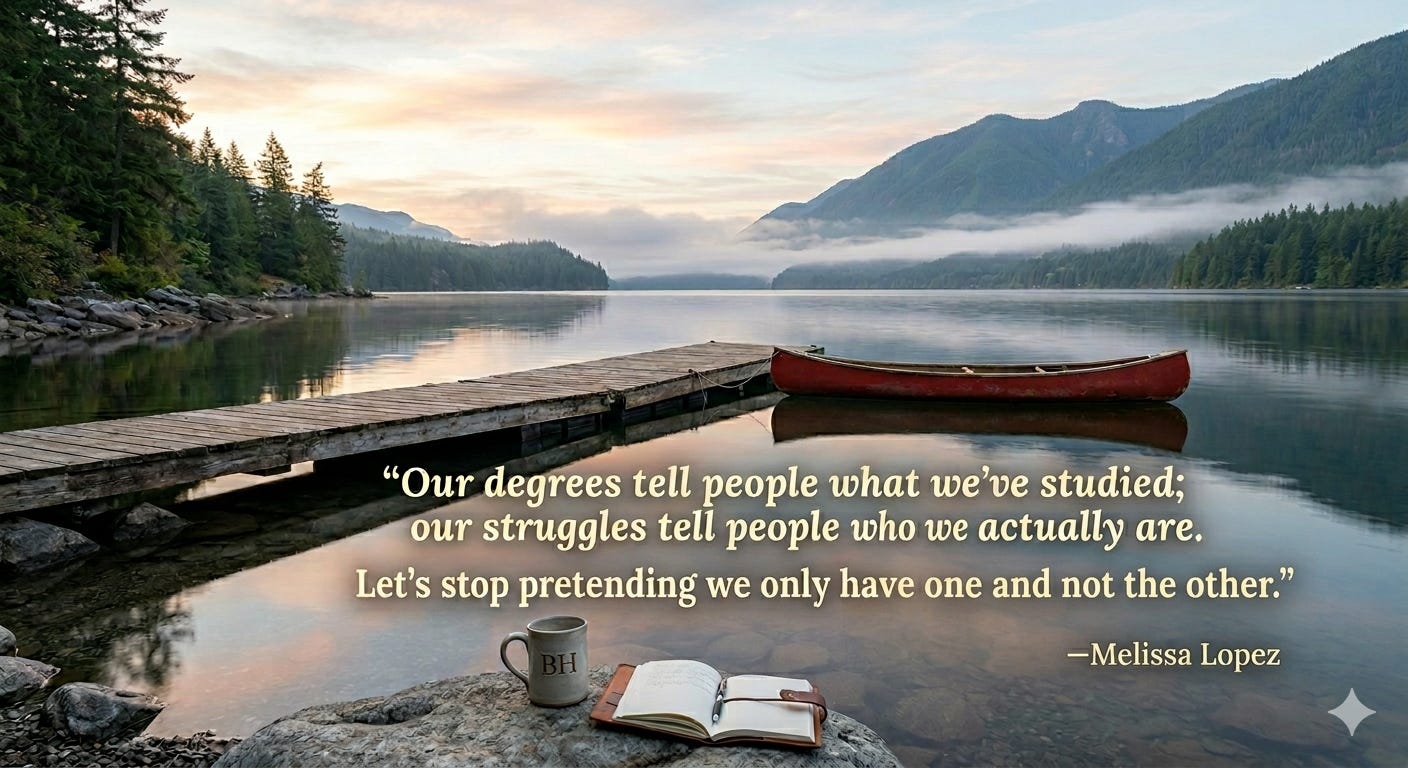
There’s this unspoken idea out there that some people are just “above” the struggle. We look at the high-performers, some of the leaders (although lately, they are the definition of anything but ok, but I digress), or the friends who seem to have it all figured out and we assume they have some kind of invisible mental shield that the rest of us missed out on or maybe attended a day in school when I was out sick. When you think about it, imagine if we started adding our diagnosis after our name instead of our degrees, eh? That would level the playing field all the more. But let’s be real: if you have got a brain and a nervous system, then you have mental health. Period. No one is immune to the physical toll that stress takes on the body, or that heavy, hollow feeling of grief, or the sheer, bone-deep drain of burnout. It’s like physical health, you are not “too fit” to catch a flu, and you are not “too strong” to break a bone. Nobody is “too tough” to be impacted by the heavy stuff life throws at us.
We absolutely need to flip the script on the negativity around seeking help. Somewhere along the line, we collectively decided that asking for support was a sign of weakness, but if you look at it from where I am coming from, it’s actually the ultimate power move. Think about it this way: the best athletes in the world, the ones at the absolute top of their game, have coaches and trainers. They don’t have them because they’re bad at what they do; they have them so they can stay at their best. Seeking mental health support is exactly the same thing. It’s about having the self-awareness and the guts to address your “internal weather” before it turns into a category-five storm. It takes way more strength to walk into a therapist’s office or grab a coffee with a peer and say, “Hey, I seem to be glitching quite a lot lately,” than it does to suffer in silence while your sleep, your mood, and your relationships take the hit.
If we wait for a formal diagnosis to start caring for our minds, we have already waited way too long. We all struggle with something. Maybe it’s those “glitches” that pop up when we’re overwhelmed, the weirdly lonely feeling that comes with living so much of our lives through a screen, or just the invisible load of trying to keep all the plates spinning at once. These aren’t “problems” to be ashamed of; they are just part of the human experience in a very loud, very fast world. When we normalize the fact that we all move back and forth on that mental health pendulum where sometimes we are thriving, and other times we are just hanging in there, we take the power away from the shame.
At the end of the day, when we stop viewing mental health as this private, secret struggle and start seeing it as something we’re all navigating together, that stigma just starts to evaporate. You don’t need a diagnosis to deserve support, and you definitely don’t need to be in a crisis to talk to a professional. You just need to be human and last time I checked, most of us are human. By looking after our own well-being and being open about it, we aren’t just helping ourselves, we are giving everyone else around us the permission to do the same. So let’s work on moving beyond the labels. Mental health care isn’t just for some of us. It’s for all of us.